NYC’s Air Quality Improved Slightly During
First Year of Congestion Pricing Program
NEW YORK—A recent report issued by the New York City Health Department found that air quality in New York City remained stable or improved slightly during the first year of the congestion pricing program.
The report released on Aug. 14 refuted claims by opponents of the program that neighborhoods potentially impacted by increased traffic would experience spikes in air pollution. Environmental justice communities alongside major highway corridors identified in the Congestion Relief Zone Tolling Environmental Assessment did not experience increased air pollution attributable to congestion pricing, according to the NYCDOH study.
The analysis examined concentrations of four traffic-related air pollutants, fine particulate matter (PM2.5), nitrogen dioxide (NO2), nitric oxide (NO), and black carbon (BC), within the Congestion Relief Zone and in environmental justice communities where concerns had been raised about potential traffic changes, including the Major Deegan Expressway, Cross Bronx Expressway, Brooklyn-Queens Expressway, Staten Island Expressway, FDR Drive, and Trans-Manhattan Expressway.
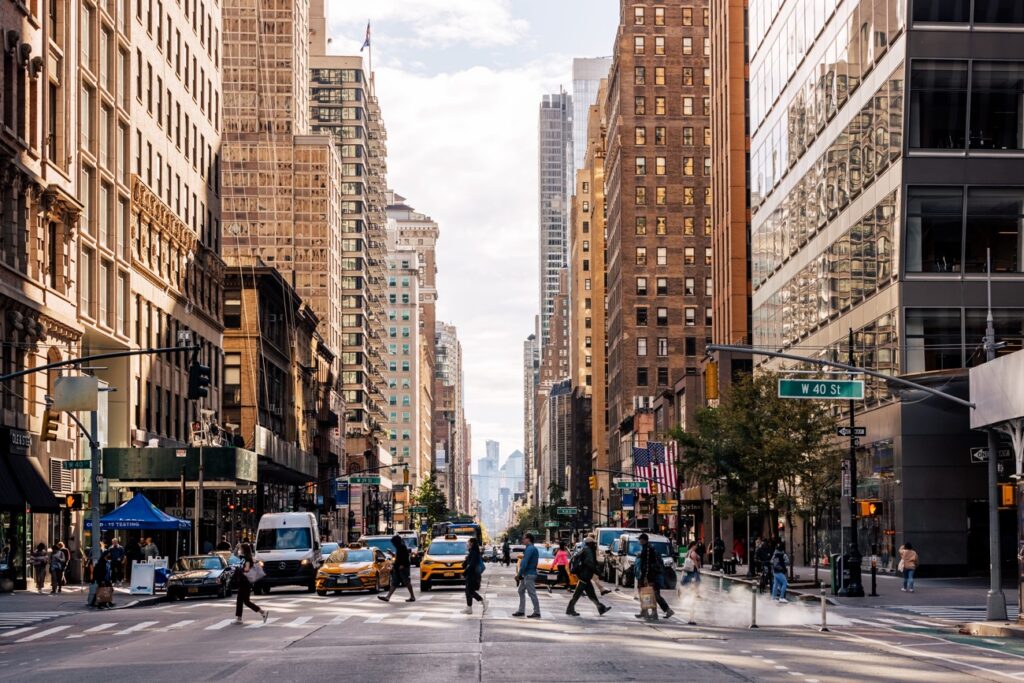
The report also concluded that the reduced congestion, improvements in transit systems, and investments through the mitigation program—which directs funds toward initiatives in environmental justice communities—clearly demonstrate the overall benefit of the program. New York City Department of Transportation Commissioner Mike Flynn said, “(The Department of) Health’s findings, combined with the program’s investment of over $120 million into the city’s air quality and public health initiatives like NYC DOT’s Clean Trucks Program, mean that congestion pricing will help communities across the city breathe cleaner.”
“Before we turned the cameras on, there was concern about the potential for increased pollution caused by drivers looking to avoid the toll,” said MTA Chair and CEO Janno Lieber. “As this study confirms, that didn’t happen, and congestion pricing is already funding additional investments to further improve air quality.”
“This report offers further evidence that congestion pricing is working and delivering real benefits to New Yorkers,” added New York State Department of Transportation Commissioner Marie Therese Dominguez. “This first-in-the nation program championed by Governor Hochul has led to less traffic, fewer crashes, and, most importantly, improved quality of life. We look forward to the continued success of congestion pricing and the critically needed funding for transit upgrades it is helping to provide.”
Published: August 19, 2026.