
Engineering: Foundations for the Future Offers a Day of Learning and Industry Insight
By SHARON REGAN MASCIOVECCHIO
Tarrytown, NY – Forty attendees gathered on October 28 at Abigail Kirsch at Tappan Hill Mansion in Tarrytown for the Construction Advancement Institute’s (CAI) educational seminar, Engineering: Foundations for the Future. Affiliated with the Building Contractors Association (BCA), CAI brought together engineering and construction professionals for a day of presentations focused on technical challenges, professional responsibilities, structural safety and the evolving needs of the built environment.
BCA Executive Director Matt Pepe introduced the speakers, whose presentations offered attendees an opportunity to explore a range of engineering topics and gain practical insights applicable to their work. The educational program also provided engineering education credits for the day.
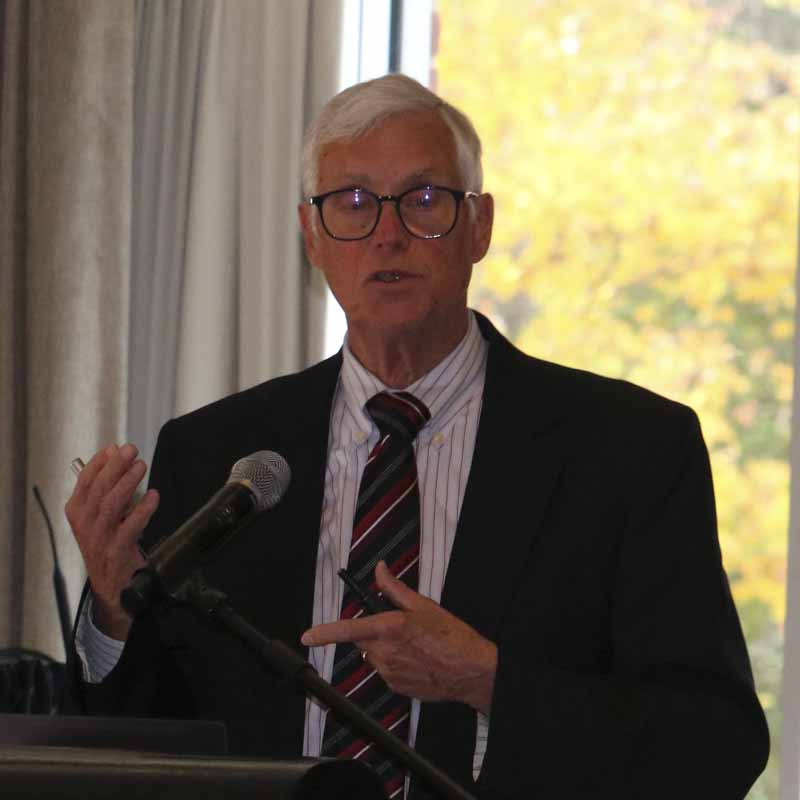
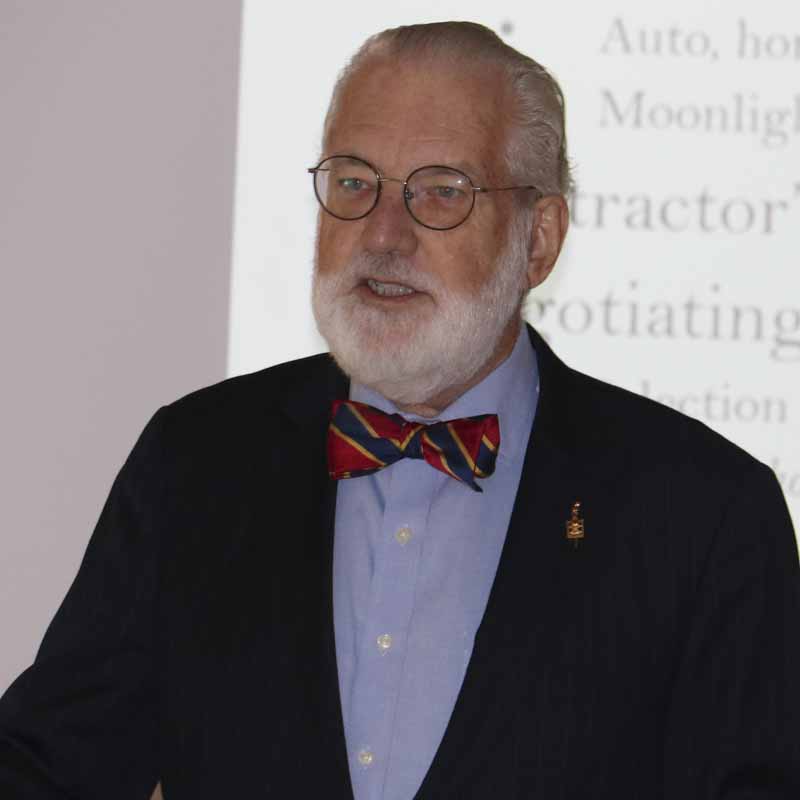
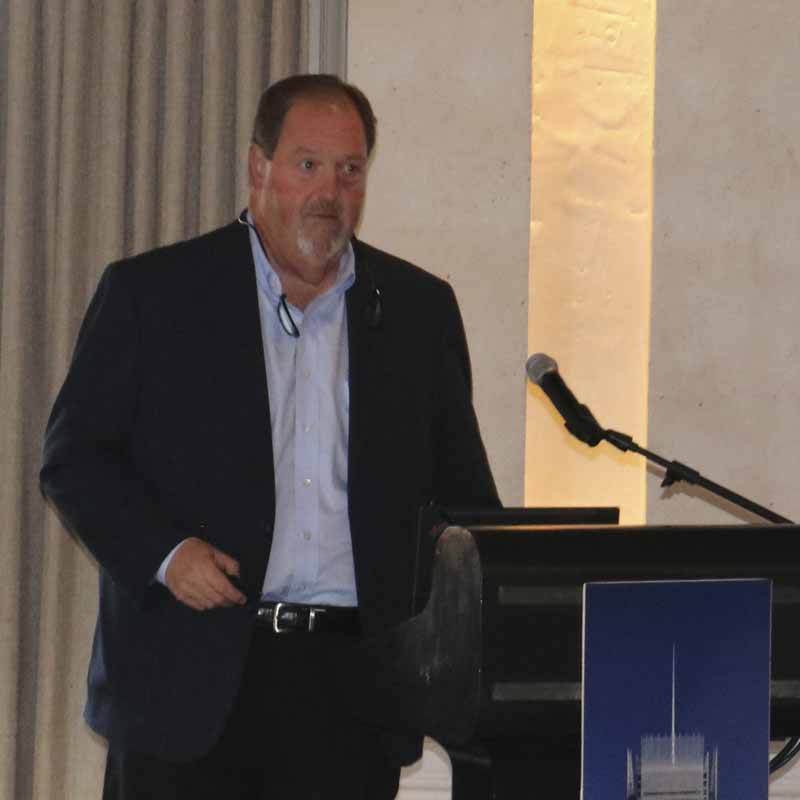
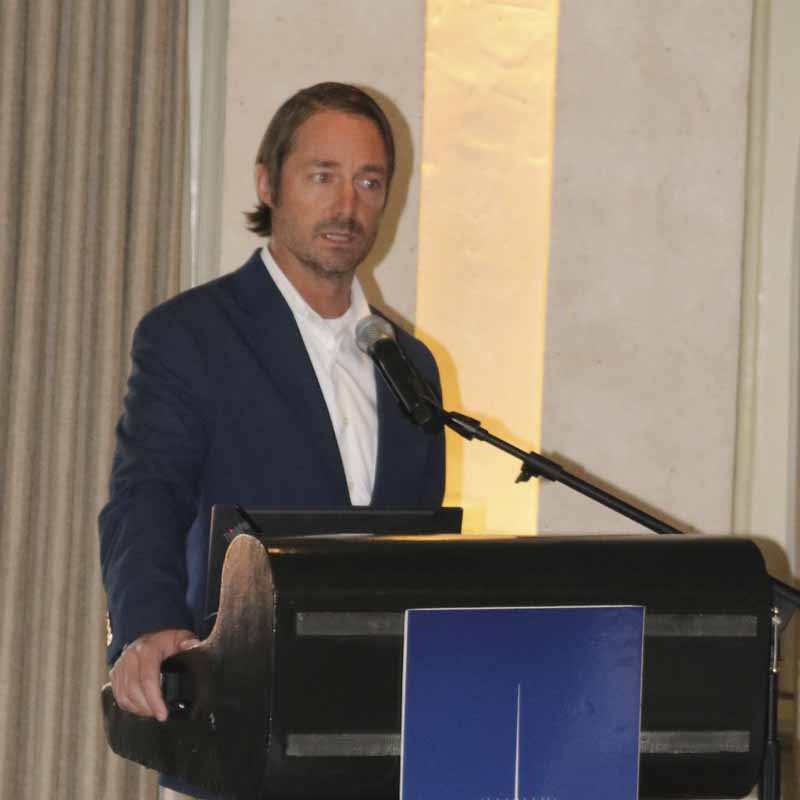
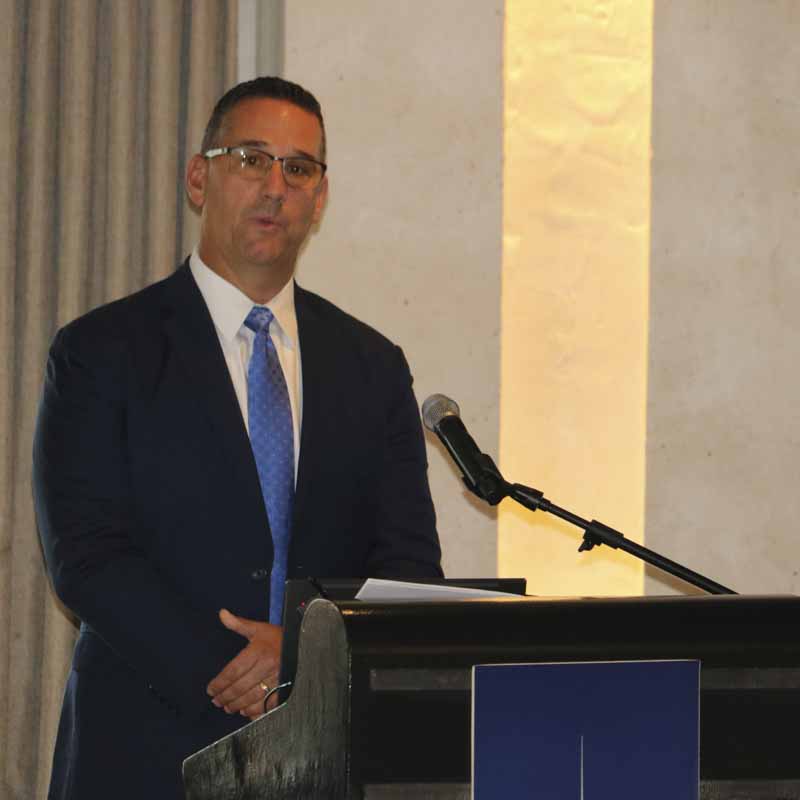
The seminar opened with William J. Lyons III of The Euclid Chemical Co., who presented 23 Flavors of Concrete Cracking. Concrete cracking can range from conditions that are primarily aesthetic to those that require significant repairs and can affect construction schedules and the movement of commerce. Lyons explored why different types of cracking occur, ways to reduce or prevent them, and potential solutions. Understanding the causes of cracking is an important part of maintaining concrete performance and making informed decisions about construction quality and repairs.
Professional responsibility and risk management were the focus of the next presentation, Navigating Legal Risk in Engineering Practice, led by Thomas H. Welby, Esq., and Anthony P. Carlucci, Esq., of Welby, Brady & Greenblatt, LLP. The attorneys addressed common legal pitfalls facing engineering professionals and strategies for managing risk. Topics included professional liability, contract considerations, design delegation, documentation and the legal issues that can arise during construction. Their presentation underscored the importance of clear communication, carefully defined responsibilities and proactive risk management in protecting both engineering firms and their professional licenses.
Groundwater management was the subject of Introduction to Construction Dewatering, presented by Matthew Cichetti of Cichetti Engineering. Dewatering is a critical consideration on many construction sites, particularly where excavation and groundwater conditions can affect project stability and execution. Cichetti provided an overview of planning, designing and implementing dewatering systems, including system selection, installation and operation, excavation support, soil grouting and groundwater cutoff methods. The discussion also addressed potential adverse effects of dewatering, groundwater treatment and discharge permitting requirements, highlighting the importance of evaluating site conditions and environmental considerations before work begins.
The afternoon session turned to structural integrity and construction safety with Kenneth Krautheim of Tstrata Strengthening Solutions, who presented Maintaining Structural Safety: Techniques, Materials & Designs. His presentation emphasized the importance of identifying potential problems before they develop into serious structural issues and recognizing signs of distress when they occur.
Through construction examples, Krautheim illustrated how overloading, improper shoring, construction defects, misplaced reinforcement and other errors can compromise structural performance. Proper planning for the placement and removal of construction materials and debris, pre-pour checklists, quality control and coordination among project participants all play an important role in protecting structures during construction.
A central message of the presentation was the importance of recognizing and reporting concerns. Workers and project personnel are not expected to make engineering decisions, but they should feel empowered to speak up when something does not appear right. The discussion reinforced the value of a safety culture in which potential problems are addressed before they lead to costly damage, delays or dangerous conditions. Krautheim also discussed strengthening and repair techniques that can help address structural deficiencies and extend the useful life of existing structures.
The seminar concluded with a look at engineering’s impact across generations. Alfred Brand of Mueser Rutledge Consulting Engineers presented 250 Years of Engineering Advancements Along the Lower Manhattan Waterfront, tracing the transformation of New York’s waterfront as the city’s needs, technology and methods of construction evolved.
From historic bulkheads and landfill to major waterfront redevelopment, engineering has continually adapted to accommodate changing shipping and commercial demands. Brand’s presentation explored how shifts in shipping technology helped reshape the waterfront, contributing to projects and concepts such as Battery Park City and Hudson River Park. Today, increasing flood vulnerability presents another challenge, calling for creative engineering and design solutions that protect public spaces and infrastructure while maintaining their functionality.
Taken together, the day’s presentations reflected the many disciplines and considerations that shape successful construction and infrastructure projects. From the behavior of concrete and the management of groundwater to legal risk, structural safety and waterfront resiliency, the program demonstrated how engineering expertise supports both the construction process and the long-term performance of the built environment.
Through programs like Engineering: Foundations for the Future, the Construction Advancement Institute, affiliated with BCA, provides opportunities for industry professionals to learn from experienced presenters, exchange perspectives and bring new knowledge back to their firms and projects. As infrastructure ages, construction methods advance and project demands continue to change, the importance of sound engineering, collaboration and continued education remains essential to building a stronger future.
Published: November 12, 2026.