
Building the Hudson Valley’s Next Construction Workforce
As Construction Grows and Experienced Workers Retire, Preparing the Next Generation is Essential
By SHARON REGAN MASCIOVECCHIO
The Hudson Valley is continuing to grow, and with that growth comes an increasing need for the people who will build, maintain and modernize the region. From infrastructure and commercial development to housing, schools and public facilities, construction will remain an important part of the Hudson Valley economy. The Hudson Valley is building for the future. The challenge is making sure the workforce is ready to build it.
According to the New York State Department of Labor, the Hudson Valley’s private sector employment reached 866,100 jobs in July 2026, the highest July employment level on record. During the 12 months ending in July, the region added 14,100 private sector jobs, including 1,600 jobs in mining, logging and construction. Westchester County’s private employment grew 2.6% over the year, while Rockland County grew 3.2%.
The longer-term data also shows continued growth. NYS DOL’s Quarterly Census of Employment and Wages shows that between 2021 and 2025, private sector employment across all industries in the region increased 10.5%, adding 77,021 jobs and reaching 812,405 jobs in 2025, a record high annual level. Average annual pay across all industries also increased during that period, reaching approximately $76,000 in 2025.
Construction has been part of that growth. Between 2021 and 2025, employment in the construction sector increased 7.2%, adding approximately 3,900 jobs. The sector did experience a decline between 2023 and 2024, when employment fell 2.1% and approximately 1,200 jobs were lost. The latest annual data, however, shows construction employment moving upward again.
For the construction industry, the workforce challenge goes beyond filling positions that are open today. The industry must also prepare for the departure of experienced workers while developing a new generation of skilled tradespeople who can take their place and support continued growth.
That makes the connection between workforce development, education and construction increasingly important.
NYS DOL’s long term industry and occupational projections provide another indication of where the workforce will be needed. The Hudson Valley Region’s 2022 to 2032 projections show construction industry employment growing approximately 2.9%. Within the construction trades occupational category, employment is projected to grow 5.8% over the same period.
The occupations showing the fastest projected growth include electricians, with projected growth of 13.1%; tile and stone setters, 8.7%; operating engineers, 8.1%; construction laborers, 7.7%; and plumbers, pipefitters and steamfitters, 6.9%.
Those projections reinforce the need to continually bring new people into the trades. NYS DOL’s projections account for both employment growth and replacement openings, meaning employers need workers not only for newly created positions but also to replace people who leave an occupation.
NYS DOL does not currently have data identifying the age of the Hudson Valley construction workforce, anticipated retirements or whether the current labor supply will be sufficient to meet construction demand over the next five to ten years. The department likewise does not provide data comparing union and nonunion construction employment, wages, retention or career outcomes.
What is clear from the available employment projections is that the need for skilled construction occupations will continue. That makes the pipeline into construction careers critical.
Registered Apprenticeship can be an important part of that pipeline. Apprenticeship provides a structured pathway into the industry by combining employment and on the job training with related classroom instruction. It allows individuals to develop industry recognized skills while building a career rather than simply preparing for a job.
The New York State Department of Labor oversees, promotes and expands Registered Apprenticeship programs across diverse industries. According to NYS DOL, the department currently supports more than 18,000 apprentices statewide, including more than 1,000 apprentices in the building and construction trades in the Mid-Hudson region.
“Registered apprenticeship programs play a key role in workforce pipelines in the construction sector, as they provide a reliable earn while you learn pathway that combines classroom instruction with supervised on the job training,” NYS DOL said in its response.
That model connects education directly to employment and gives individuals the opportunity to develop skills while working. Current NYS DOL apprenticeship programs serving the Hudson Valley include electrical work, carpentry, bricklaying, finishing trades, ironwork, asbestos work and other construction occupations.
The opportunity, however, is not simply to have apprenticeship programs available. The industry, schools, BOCES, unions, contractors and workforce organizations must make sure young people know these opportunities exist and understand what they can offer.
For many students, the traditional conversation about life after high school still focuses heavily on attending a four year college. Construction and the skilled trades offer another pathway: a career in which young people can learn a highly technical skill, earn a paycheck while developing that skill, receive benefits and build toward increasing levels of responsibility and compensation.
NYS DOL’s employment data also points to the earning potential within the industry. The average annual pay in the construction sector was approximately $88,000 in 2025, about 16% higher than the $76,000 average across all industries.
The challenge is reaching students early enough and changing the perception of what a construction career can be.
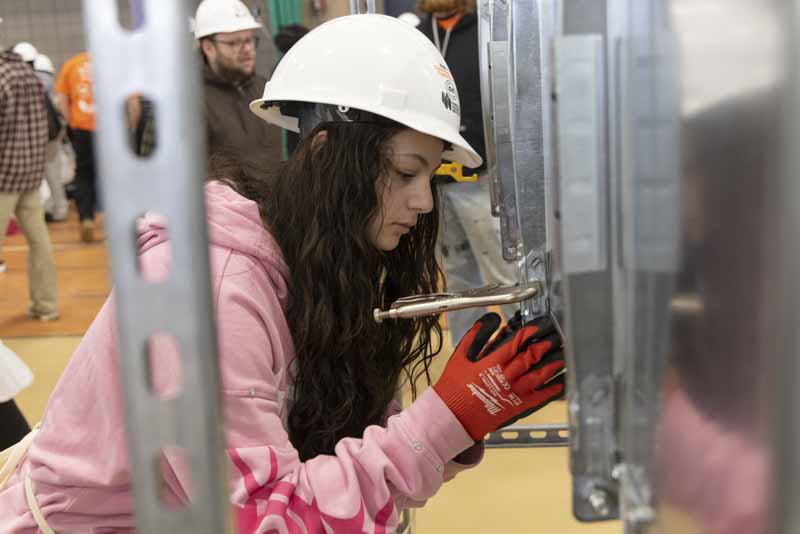
BOCES programs, high schools, career counselors, contractors and labor organizations all have a role to play. Students need opportunities to see the work firsthand, meet apprentices and journey level tradespeople, visit training centers and understand the career possibilities within the industry.
NYS DOL noted that it cannot speculate about business outreach strategies, but its employment data provides a clear picture of the opportunities available. The department’s apprenticeship system is designed to support training and career pathways for New Yorkers, including historically underserved communities, while helping businesses meet workforce needs.
Ultimately, the Hudson Valley’s workforce challenge is also an opportunity. The region has construction work to be done and careers to offer. The challenge is creating a strong enough pipeline of people who are prepared and interested in doing that work.
The construction industry does not simply need more workers today. It needs the next generation of skilled workers who will build the Hudson Valley for decades to come.
That is why the Construction Industry Council of Westchester & Hudson Valley is putting greater focus on building awareness of construction career opportunities through its Building the Construction Career Opportunities campaign. The initiative is designed to introduce young people, parents and educators to the wide range of careers available in construction and to help them understand the pathways that can lead from the classroom to a skilled trade and a lifelong career.
The work begins with awareness. Students need to see the opportunities, meet the people working in the trades, understand the training available and recognize that construction offers more than a job. It can provide a career, skills, earning potential and opportunities for advancement.
The Hudson Valley is building for the future. Preparing the workforce to build that future starts with making sure the next generation knows that there is a place for them in the construction industry.
Published: September 17, 2026.