Hochul’s Revisions to Climate Change Law
Among Roadblocks to April 1 Fiscal Deadline
ALBANY—The governor’s proposed changes to the Climate Leadership and Community Protection Act (CLCPA) is now protracting debate by state lawmakers as they attempt to finalize a Fiscal Year 2027 state budget by the April 1 deadline.
The governor, citing rising utility costs and the high price tag of adhering to the CLCPA’s emission reduction deadlines, proposed in an Op-Ed on March 20 to amend the climate change law to provide the state more time to implement its requirements of 40% emissions reductions by 2030 and 85% reduction by 2050.
The governor stated in the Empire Report Op-Ed: “We need more time, and so I am proposing we amend the law to require regulations to reduce statewide greenhouse gas emissions to be issued at the end of 2030. We are seeking to change what emission limits the regulations are tied to—
including a new 2040 target as well as the existing 2050 statewide emission limits. Nothing else in the CLCPA is changing regarding the existing statewide emission limit targets and these new regulations would still require the state to make timely progress, ensuring long-term policy stability.” She also called for accounting changes that, if not enacted, “will ensure our failure despite all of our efforts and billions of dollars spent.”
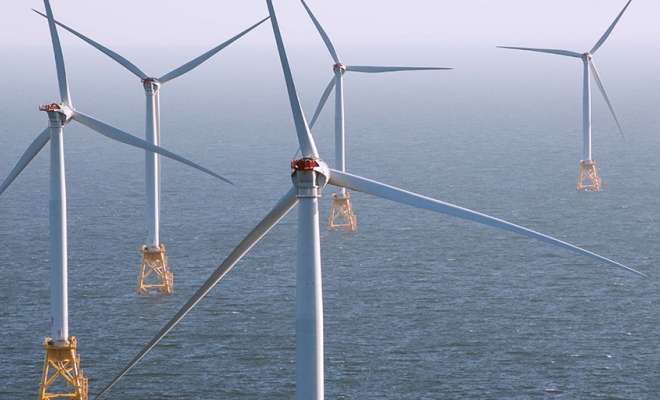
She blamed federal government policies and supply chain disruptions post COVID as some of the factors in her decision to revise the CLCPA. She also noted a recent study by New York State Energy Research and Development Authority, which found the impact of meeting the Climate Act’s 2030 targets would be more than $4,000 a year for upstate oil and natural gas households, and $2,300 more for New York City natural gas households.
Reaction to the governor’s CLCPA changes were mixed, with the business community offering support while environmentalists have blasted her stance.
The Business Council of New York State in a prepared statement described the governor’s proposals to adjust the CLCPA’s emission reduction and accounting provisions as “reasonable and necessary corrections.” The Albany-based council called for greenhouse gas (GHG) reporting standards that are sensible steps toward ensuring the law is workable and affordable for households and businesses alike.” It added that these are “necessary amendments that do not affect the state’s investments in energy efficiency, renewable energy and energy storage.”
The Environmental Defense Fund was one of the environmental organizations coming out against any CLCPA changes. “With this proposal, Gov. Hochul is backing down at a time when it couldn’t be more critical to protect New Yorkers from energy price spikes driven by fossil fuels, unpredictable extreme weather and pollution that harms our health,” the group said in a statement.
Other top issues extending budget negotiations by lawmakers in Albany include closing New York City’s $5-billion plus budget gap and reforms to both SEQRA and auto insurance policies.
Published: March 24, 2026